Functional Transitional Mudroom and Breezeway Ideas for Busy Garden Enthusiasts

Functional Transitional Mudroom and Breezeway Ideas for Busy Garden Enthusiasts

The Threshold of the Green Thumb: Defining the Modern Breezeway

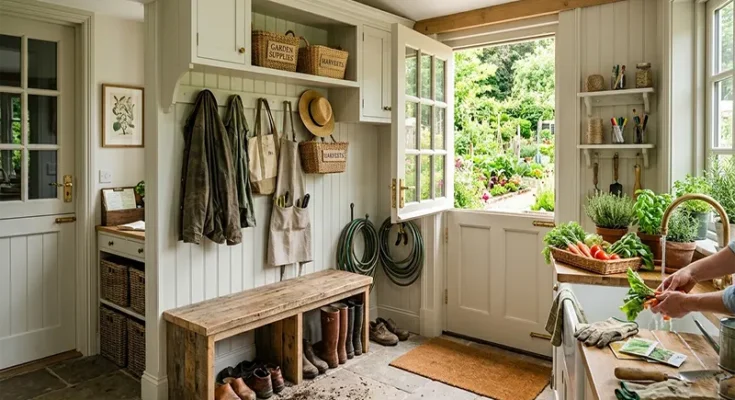
For the dedicated gardener, the home’s entrance is more than just a doorway; it is a critical transition zone between the vibrant, often messy reality of the “wild” garden and the refined, serene interior of the home. The modern breezeway should be viewed as a functional conduit that facilitates this move. Embracing an “Active Mudroom” philosophy means creating a space specifically designed for the containment of elements—handling soil, water, and tools effectively before they ever cross into the main living areas. Beyond the practical utility, there is a profound psychological benefit to this architectural choice. A dedicated transition space allows a gardener to physically and mentally “leave the work behind,” shedding the day’s grime and entering the residence in a state of calm and cleanliness.

Hard-Wearing Foundations: Materials That Handle the Elements

To achieve “durable sophistication,” one must start …

Functional Transitional Mudroom and Breezeway Ideas for Busy Garden Enthusiasts Read More
Vertical Vegetable Gardening Care Tips for Small Space Urban Harvests

Vertical Vegetable Gardening Care Tips for Small Space Urban Harvests

The Urban Frontier: Why Vertical is the Only Way Up

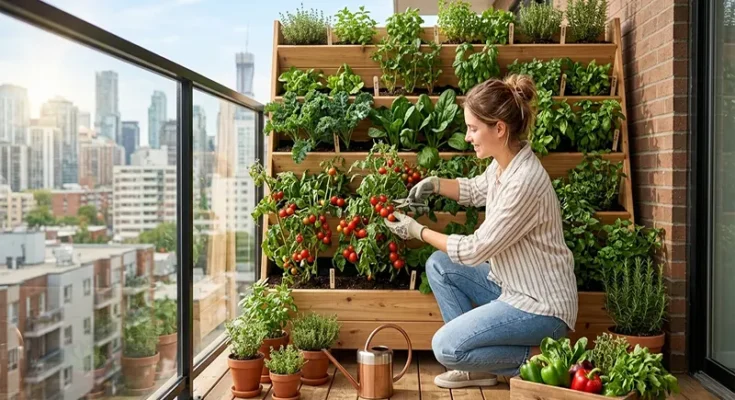
Urban gardening presents a unique set of obstacles: limited sunlight, heat-absorbing concrete surroundings, and practically zero floor space. However, a lack of horizontal square footage shouldn’t stop you from growing your own food. Vertical gardening is the “hacker’s” solution—the strategic use of walls, railings, and trellises to increase growing capacity. By prioritizing vertical efficiency, you can maximize every square inch of your balcony or patio. The “yield-per-foot” advantage is clear: growing up rather than out allows you to maintain a full kitchen garden in a space no larger than a standard bistro set.

Engineering the Vertical Plane: Structure and Support

To succeed in a small-space setup, you need the right infrastructure to support your high-rise harvest:

  • The Pocket Wall: Fabric felt wall planters are perfect for breathable, lightweight installations of leafy greens and herbs.
  • The Trellis System: Lightweight lattices
Vertical Vegetable Gardening Care Tips for Small Space Urban Harvests Read More
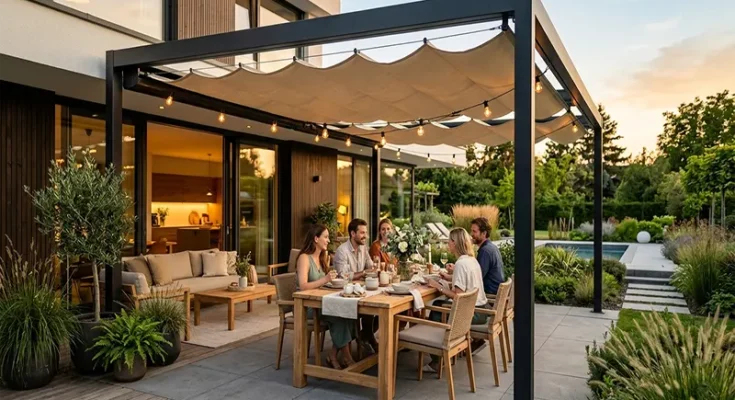
Modern Pergola Design Ideas with Retractable Canopies for Transitional Outdoor Dining

Modern Pergola Design Ideas with Retractable Canopies for Transitional Outdoor Dining

The New Dining Room: Defining Transitional Outdoor Spaces

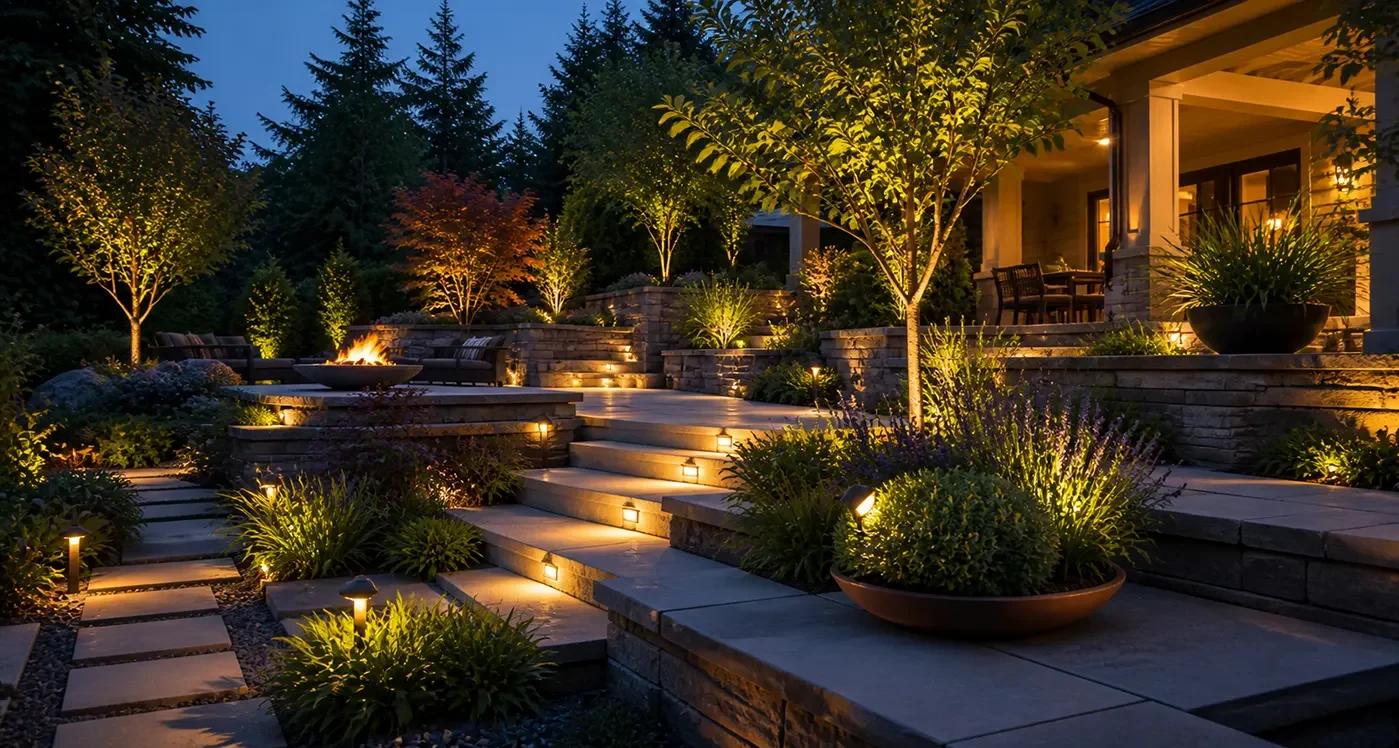
The backyard has undergone a significant architectural evolution, moving away from the simple, detached patio toward a fully integrated extension of the home’s interior. In high-end design, the “Modern Pergola” serves as a sophisticated structural frame that provides essential architectural definition and an architectural silhouette without the heavy permanence of a traditional roof. This structure facilitates transitional living, bridging the gap between indoor luxury and outdoor freedom. The retractable canopy is the essential “utility player” in this setup; it offers the flexibility of all-weather dining and precise sun control, ensuring that the outdoor dining room remains functional regardless of shifting weather patterns.

Materials of Modernity: Aluminum, Steel, and Wood

Selecting the right material is paramount to achieving a look that complements contemporary home design while ensuring long-term durability.

  • Aluminum Systems: Powder-coated aluminum is a premier choice for its sleek, clean lines
Modern Pergola Design Ideas with Retractable Canopies for Transitional Outdoor Dining Read More
Hanging Indoor Plant Decor Ideas for Modern Minimalist Living Rooms

Hanging Indoor Plant Decor Ideas for Modern Minimalist Living Rooms

Verticality in Design: The Power of the Hanging Garden

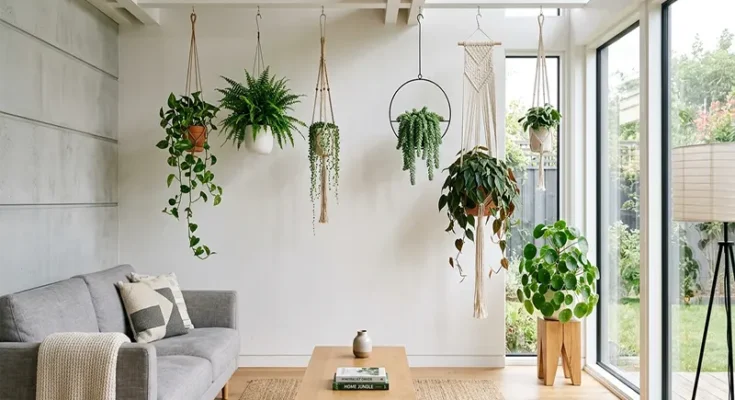
The central challenge of minimalist interior design is introducing warmth and life without compromising the integrity of open floor plans or cluttering essential surfaces. In a space defined by “less is more,” hanging plants emerge as an architectural solution—essentially acting as “living art” that draws the eye upward to emphasize the height and volume of a room. By utilizing vertical space, you can introduce organic textures while maintaining a clean, unobstructed floor plane. The ultimate aesthetic goal is the strategic use of negative space; rather than a dense jungle, the minimalist approach allows a single, well-placed plant or a curated cluster to serve as a high-impact focal point.

Curating the Minimalist Canopy: Top Plant Selections

In a minimalist setting, the choice of foliage should be based on its “sculptural life” and how its silhouette interacts with existing furniture and light.

  • String
Hanging Indoor Plant Decor Ideas for Modern Minimalist Living Rooms Read More