
Vertical Vegetable Gardening Care Tips for Small Space Urban Harvests

Vertical Vegetable Gardening Care Tips for Small Space Urban Harvests

The Urban Frontier: Why Vertical is the Only Way Up

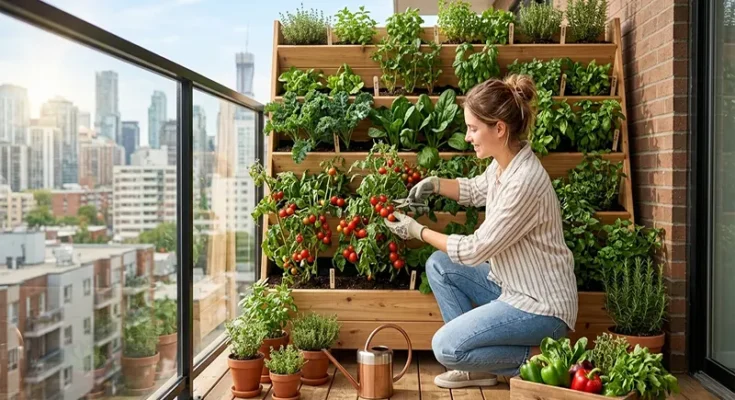
Urban gardening presents a unique set of obstacles: limited sunlight, heat-absorbing concrete surroundings, and practically zero floor space. However, a lack of horizontal square footage shouldn’t stop you from growing your own food. Vertical gardening is the “hacker’s” solution—the strategic use of walls, railings, and trellises to increase growing capacity. By prioritizing vertical efficiency, you can maximize every square inch of your balcony or patio. The “yield-per-foot” advantage is clear: growing up rather than out allows you to maintain a full kitchen garden in a space no larger than a standard bistro set.

Engineering the Vertical Plane: Structure and Support

To succeed in a small-space setup, you need the right infrastructure to support your high-rise harvest:

  • The Pocket Wall: Fabric felt wall planters are perfect for breathable, lightweight installations of leafy greens and herbs.
  • The Trellis System: Lightweight lattices
Vertical Vegetable Gardening Care Tips for Small Space Urban Harvests Read More
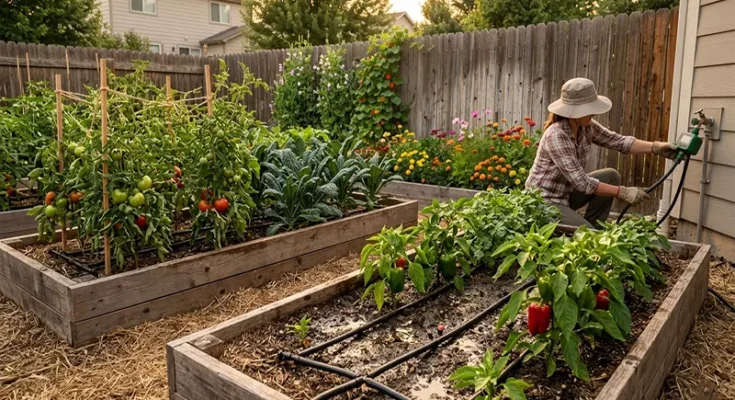
Consistent Watering Schedules and Drip Irrigation for Backyard Vegetable Patches

Consistent Watering Schedules and Drip Irrigation for Backyard Vegetable Patches

The Rhythm of Growth: Why Consistency is King

In the vegetable garden, consistency is the foundation of a successful harvest. Plants subjected to “boom and bust” watering cycles—alternating between bone-dry soil and sudden deluges—suffer from significant physiological stress. This instability often manifests as cracked tomatoes, bitter cucumbers, or the dreaded blossom end rot in peppers and squash. To combat this, experienced gardeners follow the “Deep and Infrequent” rule: by watering deeply, you encourage roots to dive further into the earth in search of moisture, creating a resilient, deep-reaching root system. Think of your garden as a “Soil Moisture Bank”; the goal is to keep the balance steady rather than fluctuating wildly, providing your crops with the predictable environment they need to flourish.

The Anatomy of a Drip Irrigation System

Transitioning from a garden hose to a drip system may seem daunting, but the anatomy of the system is quite logical …

Consistent Watering Schedules and Drip Irrigation for Backyard Vegetable Patches Read More
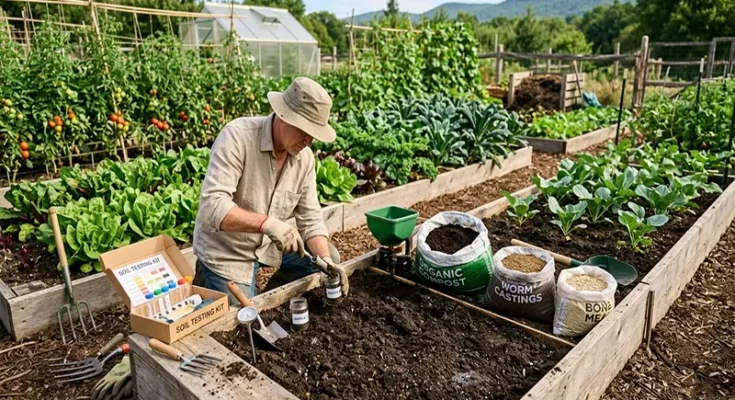
How to Test and Amend Vegetable Garden Soil for Maximum Yield

How to Test and Amend Vegetable Garden Soil for Maximum Yield

The Underground Engine: Why Soil is Your Most Important Input

To the uninitiated, the ground beneath our feet is simply “dirt.” To the master gardener, however, soil is a complex, living ecosystem—an underground engine that powers every leaf, flower, and fruit in the garden. There is a direct, scientific correlation between soil health, the nutrient density of your vegetables, and your overall crop yield. Healthy soil provides the structural support, water-holding capacity, and bioavailable nutrients that plants need to thrive. In the quest for a record-breaking harvest, “guessing is not a strategy.” Relying on visual cues alone often leads to over-fertilizing or missing critical deficiencies. Data-driven gardening, starting with a clear understanding of your soil’s chemical and physical makeup, is the only way to ensure your garden reaches its maximum potential.

Deciphering Your Dirt: Methods of Soil Testing

Before you can improve your soil, you must understand its current state. …

How to Test and Amend Vegetable Garden Soil for Maximum Yield Read More
Natural Pest Control Methods for Organic Vegetable Gardens Without Chemicals

Natural Pest Control Methods for Organic Vegetable Gardens Without Chemicals

The Garden Ecosystem: Shifting the Mindset

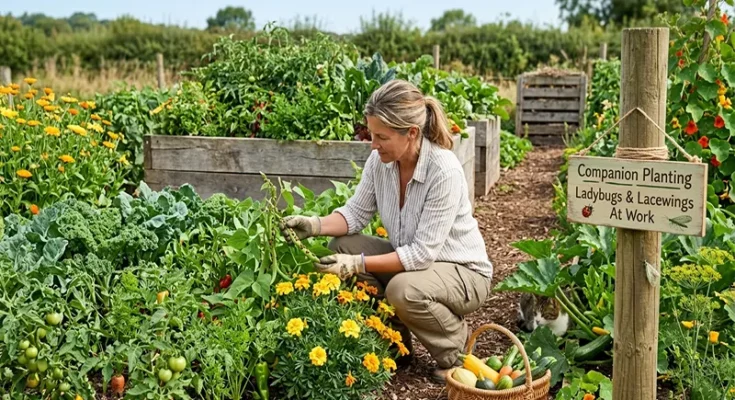
In the world of organic gardening, the goal is not the sterile eradication of all life, but the pursuit of biological balance. While modern conditioning suggests a single insect is a declaration of war, Integrated Pest Management (IPM) encourages us to act more as ecologists than exterminators. This shift in mindset introduces the “Threshold of Damage,” which teaches us that a few holes in a leaf are often a sign of a healthy, living ecosystem rather than a reason to reach for chemicals. A healthy garden is a balanced ecosystem, not a sterile environment; once we stop using toxins, we allow the complex machinery of nature to handle the heavy lifting.

The First Line of Defense: Prevention Through Health

A pest’s favorite target is a stressed plant, as those in poor soil are beacons for infestation.

  • Soil Health: Soil rich in organic matter and
Natural Pest Control Methods for Organic Vegetable Gardens Without Chemicals Read More
Step-by-Step Guide to Setting Up a Home Hydroponic Garden

Step-by-Step Guide to Setting Up a Home Hydroponic Garden

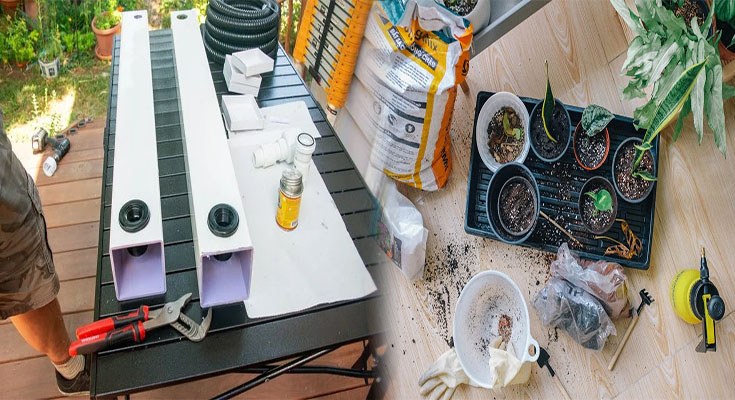
Hydroponic gardening offers an innovative and efficient way to grow plants without soil, making it an ideal solution for cultivating fresh produce indoors, regardless of the season or outdoor conditions. If you’re interested in establishing a home hydroponic garden, this step-by-step guide will walk you through the process of setting up and maintaining your own thriving hydroponic system.

Step 1: Choose a Suitable Location

Select a well-ventilated and well-lit area in your home to set up your hydroponic garden. Consider factors such as access to natural light or the availability of grow lights, as most hydroponic plants require adequate light for photosynthesis and optimal growth.

Step 2: Select the Right Hydroponic System

There are several types of hydroponic systems to choose from, including deep water culture (DWC), nutrient film technique (NFT), ebb and flow, and wick systems, among others. Each system has its own advantages and considerations, so research and …

Step-by-Step Guide to Setting Up a Home Hydroponic Garden Read More