
The Curious Companion: Why Pet-Safe Gardening Matters
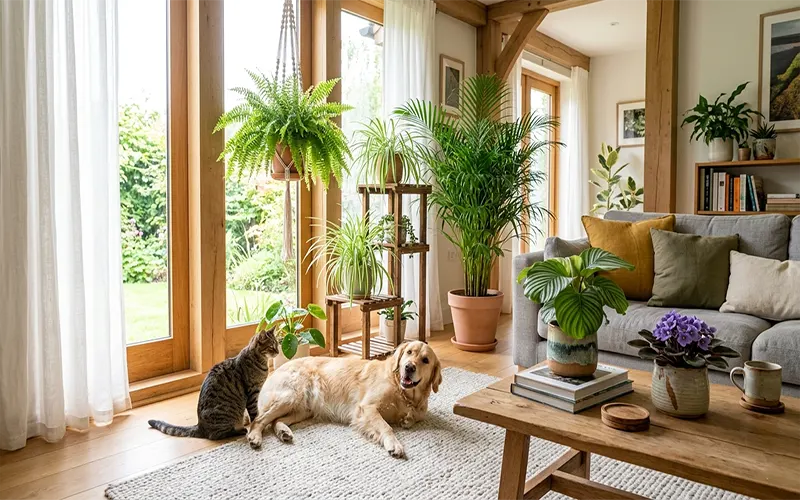
For our four-legged family members, the home is not just a living space—it is a landscape to be explored. Cats and dogs have a natural, deep-seated instinct to investigate their environment through taste and texture, often leading them to nibble on whatever greenery is within reach. Unfortunately, many common household staples like Lilies, Sago Palms, and Pothos harbor hidden risks that can lead to severe health crises. The “Pet-Friendly Garden” philosophy is about shifting our approach to indoor horticulture. By choosing a curated selection of non-toxic species, you create a lush, green interior sanctuary where your pets can roam freely without the need for constant supervision or the fear of accidental poisoning.
The “Safe Seven”: Top Non-Toxic Plants for Modern Homes
Transforming your home into a verdant oasis is entirely possible without compromising safety. These seven varieties offer a mix of aesthetic appeal and total peace of mind:
- Spider Plant (Chlorophytum comosum): A favorite for its incredible resilience. Even if a playful cat decides to bat at or nibble on its dangling “pups,” this plant remains completely safe.
- Boston Fern: With its lush, classic aesthetic, the Boston Fern adds a touch of timeless elegance. It thrives in the humidity of a pet-friendly home, making it perfect for bathrooms or kitchens.
- Areca Palm: This stunning palm is renowned for its air-purifying qualities. It serves as a majestic, non-toxic alternative to the highly dangerous Sago Palm, offering height and drama safely.
- Calathea (Prayer Plant): If you crave color, the Calathea delivers with its intricate, stunning foliage. Most importantly, it is an absolute safe haven for curious nibblers who might be attracted to its moving leaves.
- Hens and Chicks (Sempervivum): For succulent lovers, these are the perfect low-maintenance option. They provide that architectural look without the toxicity concerns associated with Aloe Vera.
- African Violet: These plants offer vibrant, year-round blooms. They are a rare find in the flowering world: a plant that is both beautiful and completely non-toxic to both cats and dogs.
- Parlor Palm: A classic for a reason, this elegant palm handles the lower-light conditions of many living rooms with ease and total safety for your pets.
Beyond Toxicity: Physical Safety in the Indoor Garden
While biological safety is paramount, physical safety is also a critical component of a pet-friendly home garden.
- Avoid the “Pokies”: Even if a plant is chemically non-toxic, its physical structure matters. Avoid plants with sharp thorns, spines, or serrated leaves that could cause injury to a pet’s eyes or paws during a zoomie session.
- Heavy Planters: Stability is key. Use heavy ceramic or weighted pots to ensure that a large dog’s wagging tail or a climbing cat doesn’t accidentally tip a heavy plant over, potentially causing injury or a significant mess.
- Organic Fertilizers: Remember that a safe plant is only safe if it is treated properly. Chemical fertilizers and pesticides can linger on leaves or in the soil, so always opt for pet-safe, organic nutrients to keep your indoor micro-climate healthy.
Training and Deterrents: Harmonious Coexistence
Living with pets and plants requires a bit of social engineering to keep both parties happy.
- Redirection: Create a designated grazing station. Offering “Cat Grass” or “Pet Parsley” gives your animals a safe, sanctioned outlet for their chewing instincts, making your decorative plants much less tempting.
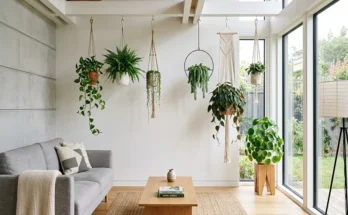
- Strategic Placement: Utilize the vertical space in your home. Hanging planters and high floating shelves allow you to enjoy your greenery while keeping it well out of the reach of even the most hyper-active pets.
- Natural Deterrents: If you have a particularly persistent chewer, consider using pet-safe bitter sprays or placing citrus peels in the soil. Most pets find the scent of citrus highly unappealing and will learn to keep their distance.
Emergency Preparedness: Knowing the Signs
Even with the best precautions, it pays to be prepared. Responsible pet-plant parenting means knowing how to react if an ingestion occurs.
- Common Symptoms: Watch for signs of distress such as excessive drooling, sudden vomiting, lethargy, or a loss of appetite.
- The ASPCA Resource: The ASPCA Animal Poison Control center is an invaluable resource. Keep their number saved in your phone for immediate expert guidance in a crisis.
- Labeling: Never rely on memory. Keep the original nursery tags tucked into the soil or in a dedicated file. Identifying the exact species of a plant is the first thing a veterinarian will need to know in an emergency.
A Greener, Safer Future
Curating a non-toxic home garden provides an incredible sense of peace of mind. By selecting the right species and implementing smart safety strategies, you can enjoy the mental and physical benefits of indoor nature alongside your furry companions. You truly do not have to choose between being a dedicated “plant parent” and a responsible “pet parent”—with a little planning, your home can be a sanctuary for everyone.
Pet-Safe Gardening Quick-Reference
| Plant Name | Safety Status | Best Environment |
| Spider Plant | Safe for Cats & Dogs | Bright Indirect Light |
| Areca Palm | Safe for Cats & Dogs | High Light / Air Purifying |
| African Violet | Safe for Cats & Dogs | Consistent Moisture |
| Calathea | Safe for Cats & Dogs | Humidity / Low Light |
Safe vs. Toxic Swap
- Instead of Sago Palm: Choose an Areca Palm.
- Instead of Aloe Vera: Choose Hens and Chicks.
- Instead of Lilies: Choose African Violets.
Safety First: While the plants listed above are non-toxic, they are not intended to be a primary food source. Excessive consumption of any plant material can still cause mild stomach upset in pets. Always encourage your pets to stick to their designated grazing stations.