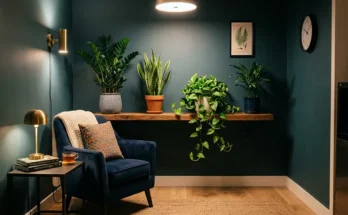

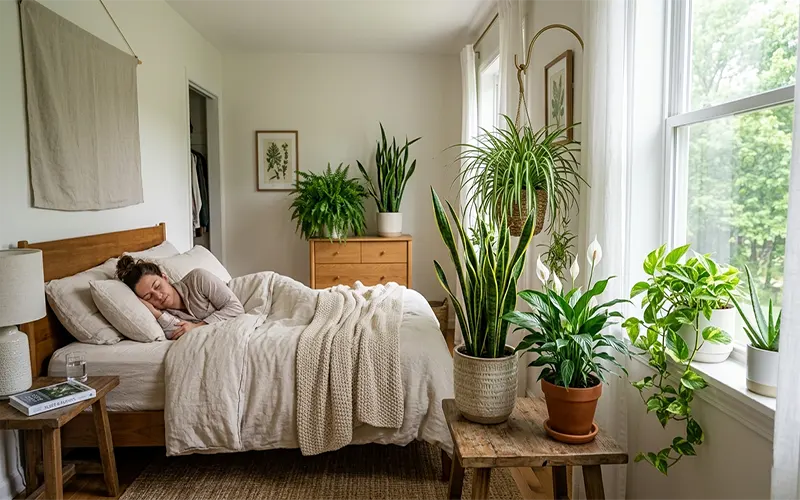
The Sanctuary Science: Why Bedroom Air Matters
In our quest for wellness, we often overlook the very air we breathe while we sleep. Modern homes can succumb to “Sick Building Syndrome,” a condition where poorly ventilated spaces trap volatile organic compounds (VOCs) such as formaldehyde and benzene—chemicals commonly emitted by mattresses, synthetic carpets, and household cleaners. The foundational NASA Clean Air Study revolutionized our understanding of this issue, proving that certain indoor plants can effectively neutralize these toxins. Beyond physical filtration, the psychological impact of greenery is profound; the simple presence of plants has been shown to lower cortisol levels, reducing stress and priming the brain for a deep, restorative sleep cycle.
The Nighttime Oxygenators: Plants That Breathe While You Sleep
Most plants release oxygen during the day through photosynthesis and switch to releasing carbon dioxide at night. However, a select group of “nighttime oxygenators” works on a different schedule, making them perfect bedroom companions.
- Snake Plant (Sansevieria): This plant is a marvel of biological engineering. Through a process called Crassulacean Acid Metabolism (CAM), the Snake Plant has the unique ability to convert $CO_2$ into fresh oxygen at night, ensuring a steady supply of purified air while you rest.
- Aloe Vera: Beyond its skin-soothing properties, Aloe Vera is a dedicated nighttime oxygen producer. It also serves as a biological “air quality monitor”; the plant may develop brown spots when chemical levels in the room become excessively high, alerting you to potential environmental stressors.
- Spider Plant: Celebrated for its efficiency in removing xylene and formaldehyde from the air, the Spider Plant is also a favorite for its resilience. It is widely considered one of the easiest plants to propagate, allowing you to grow your own “sleep jungle” from a single mother plant.
- English Ivy: For those suffering from allergies or respiratory issues, English Ivy is a powerful ally. Research suggests it is specifically effective at reducing airborne mold and fecal matter particles, significantly cleaning the air in your immediate breathing zone.
The Aromatic Sleep Aids
While some plants clean the air, others soothe the nervous system through their natural fragrance.
- Lavender: Even as a living plant, lavender releases a scent known to have a calming effect on heart rate and blood pressure. Its presence in the bedroom can help ease the transition from a busy day to a quiet night.
- Jasmine: The sedative qualities of jasmine fragrance have been studied for their ability to promote a more peaceful waking experience. Its delicate scent encourages a deeper state of relaxation throughout the night.
- Gardenia: Some studies suggest that the scent of gardenias may be as effective as certain prescribed sleep medications for reducing anxiety and promoting sleep, offering a natural alternative for those who struggle to drift off.
Care Strategies for a Healthy Sleep Space
To ensure your bedroom plants continue to provide health benefits, they require thoughtful maintenance.
- Light Requirements: It is vital to match your species to your window orientation; for instance, Snake Plants can handle the lower light of a North-facing window, while Aloe Vera thrives in the brighter light of a South-facing orientation.
- The “No-Overwater” Rule: One of the most important rules for a healthy bedroom is avoiding damp soil, which can lead to mold growth. Excessive moisture counteracts the air-purifying benefits of the plant and can trigger allergies.
- Leaf Maintenance: Dust can settle on leaves, clogging the “stomata” (tiny pores) through which plants breathe. Regularly wiping leaves with a damp cloth is necessary to ensure they can effectively filter toxins and release oxygen.
Designing Your Sleep Jungle
When placing your plants, think about the “breathing zone.” Position your primary air purifiers near your nightstand to ensure you receive the most direct benefit from the oxygen they release. Additionally, grouping plants together can be beneficial; as they transpire, they release moisture, creating a natural humidifier that prevents the dry air that often leads to respiratory discomfort during the night.
A Greener Path to Dreamland
Incorporating air-purifying plants into your bedroom offers a dual benefit: the physical filtration of harmful VOCs and the mental relaxation provided by nature. By selecting even one nighttime oxygenator, you can take a meaningful step toward better respiratory health and a more restorative night’s sleep.
Top 3 Beginner-Friendly Oxygenators
| Plant | Primary Benefit | Light Need |
| Snake Plant | Nighttime Oxygen Production | Low to High |
| Spider Plant | Formaldehyde Filtration | Indirect Medium |
| Aloe Vera | Air Quality Monitoring | Bright Indirect |
Safety First
Note for Pet Owners: Be aware that certain effective purifiers, such as English Ivy and Peace Lilies, can be toxic to cats and dogs if ingested. Always research plant safety or place them on high, unreachable shelves if you have curious pets.